
Salsa
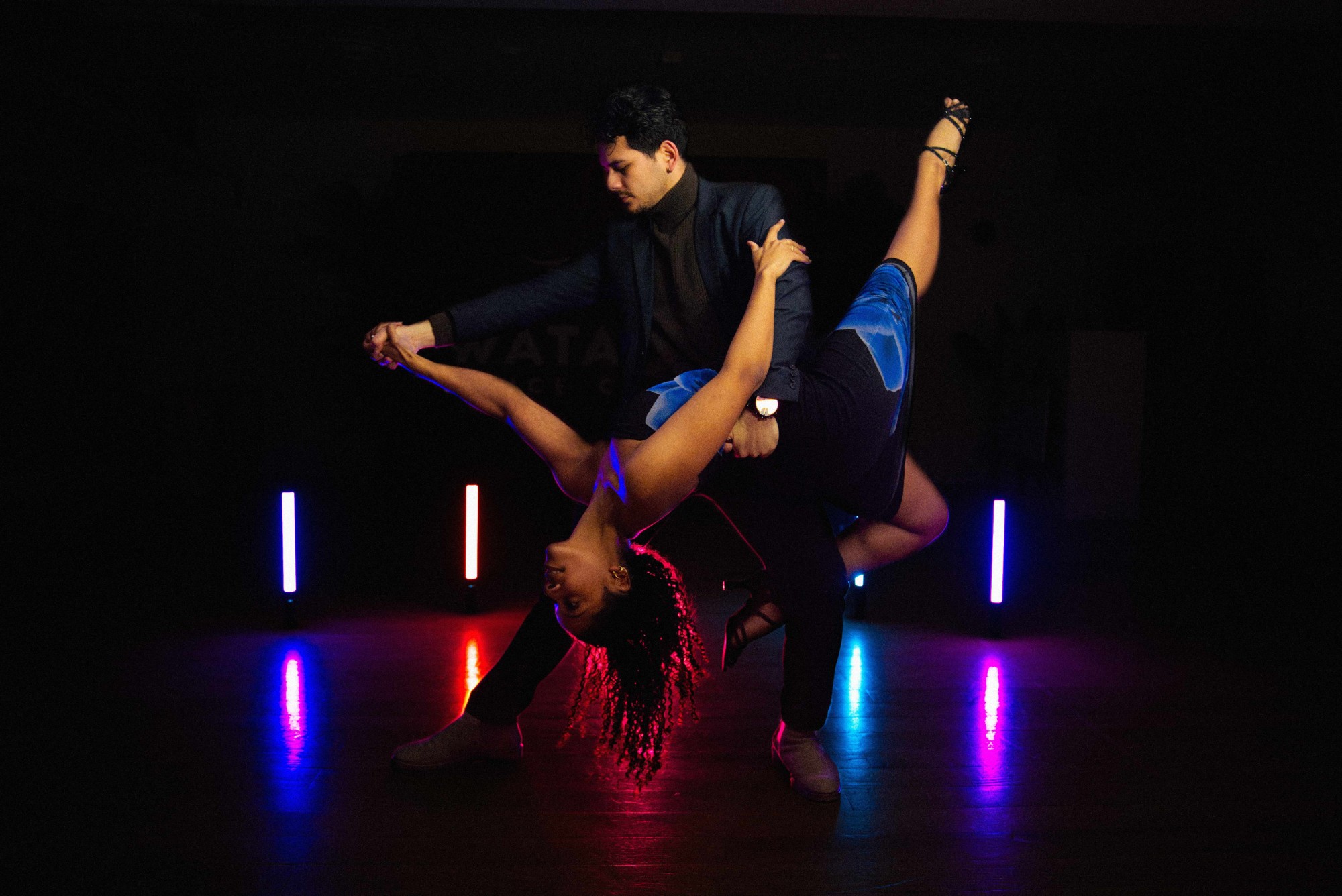
Salsa dancing in Arnhem
Salsa dancing in Arnhem? Millions of people dance salsa worldwide. Discover where it comes from, why it is so popular in the Netherlands, and how you learn it yourself at Watapana.
The origins of salsa
Salsa was born in Cuba from a blend of Spanish and African culture, music and dance, known as “Afro-Cubanismo”. Salsa is really an umbrella term for several genres, such as cha-cha, son and montuno.
The salsa we know today developed mainly in New York. In the late sixties a group of migrants settled in Spanish Harlem: Hispanic Americans alongside Italians, Jews and African Americans. In the ’70s salsa also became popular in Europe and Asia, partly thanks to the Fania All Stars. Since then salsa has blended with jazz and South American rhythms, among others.
Salsa in the Netherlands
Salsa is hugely popular in the Netherlands, and the level is high compared to neighbouring countries. A few reasons:
Multicultural
The Netherlands is home to around 200 nationalities. For Cubans, Surinamese, Antilleans and South Americans, music and dance are a key part of their culture, and they bring it wherever they go.
Classes, parties and festivals
There are almost 200 dance schools, parties every weekend across the country, and many schools host social nights. In Europe there's a festival almost every weekend with workshops by day, shows and dancing at night. Salsa marathons, purely about social dancing, are growing too.
Dutch top level
Dutch dancers travel a lot to festivals and marathons, so they keep dancing at a high level. Combined with the multicultural background, that makes salsa popular here and the level relatively high.

Ready to start dancing?
No experience needed, no partner needed. Just the urge to try something new.